December 30, 2025
Apartment living offers convenience, community, and affordability, but it also comes with unique security challenges. Traditional locks and keys no longer provide the level of protection residents expect in today's environment. More property managers and homeowners are turning to access control systems as a proactive way to secure their buildings and protect residents. These systems not only enhance safety but also improve convenience, accountability, and overall peace of mind. Understanding why access control is becoming essential for apartment security helps property managers make informed decisions for their communities while also improving resident satisfaction.
The increasing complexity of modern apartment buildings, with multiple entry points, shared amenities, and a growing number of residents, makes traditional security methods insufficient. Keys can be lost, duplicated, or stolen, leaving buildings vulnerable. Access control systems address these concerns by allowing precise management of who enters certain areas. Residents, staff, and visitors all receive unique credentials that can be tracked and modified as needed. This level of control reduces the likelihood of unauthorized access and provides a safer environment for everyone living in or visiting the property.
1. Enhanced Security Through Smart Access
Access control systems allow property managers to regulate who can enter certain areas of a building. Instead of relying solely on physical keys, residents and staff use keycards, fobs, or mobile credentials. This reduces the risk of unauthorized entry, as lost or stolen credentials can be easily deactivated. According to SafeHome, 83% of burglars look for an alarm before attempting a break-in, and 60% will move on to another target if they see evidence of one. Access control serves as a visible deterrent, signaling to potential intruders that the property is protected.
These systems also allow for tailored access, limiting entry to common areas, utility rooms, or individual units based on roles or permissions. For example, maintenance staff may have access to mechanical rooms but not private apartments, while residents have entry to their units and shared spaces. This level of control reduces the likelihood of theft, vandalism, and unauthorized activity, ensuring the safety of both people and property. The ability to immediately revoke access in case of lost credentials adds an extra layer of protection that traditional locks cannot provide.
Another benefit is the capability to integrate access control with other security measures such as alarms, cameras, and motion sensors. Combining these technologies creates a comprehensive security network, offering real-time monitoring and alerts. For instance, if someone tries to enter a restricted area without proper credentials, the system can instantly notify management while recording the incident for review. This proactive approach helps prevent incidents before they escalate, giving residents and property managers peace of mind.
2. Convenience and Flexibility for Residents
Beyond security, access control provides convenience that traditional locks cannot match. Residents no longer need to carry bulky keys or worry about losing them. Temporary credentials can be issued for guests, service personnel, or deliveries, allowing access only for specific times and locations. This reduces the administrative burden on property managers and improves the resident experience.
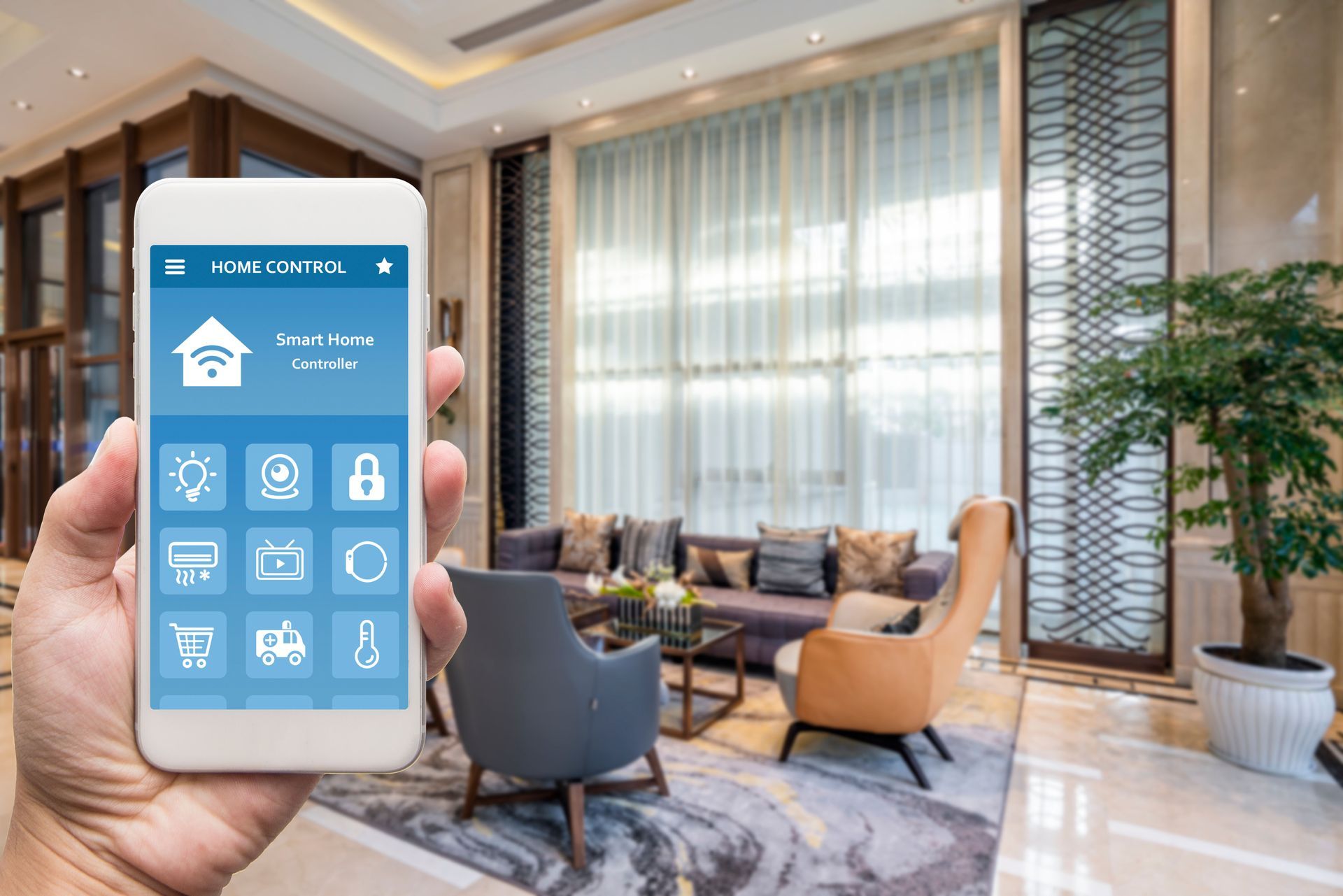
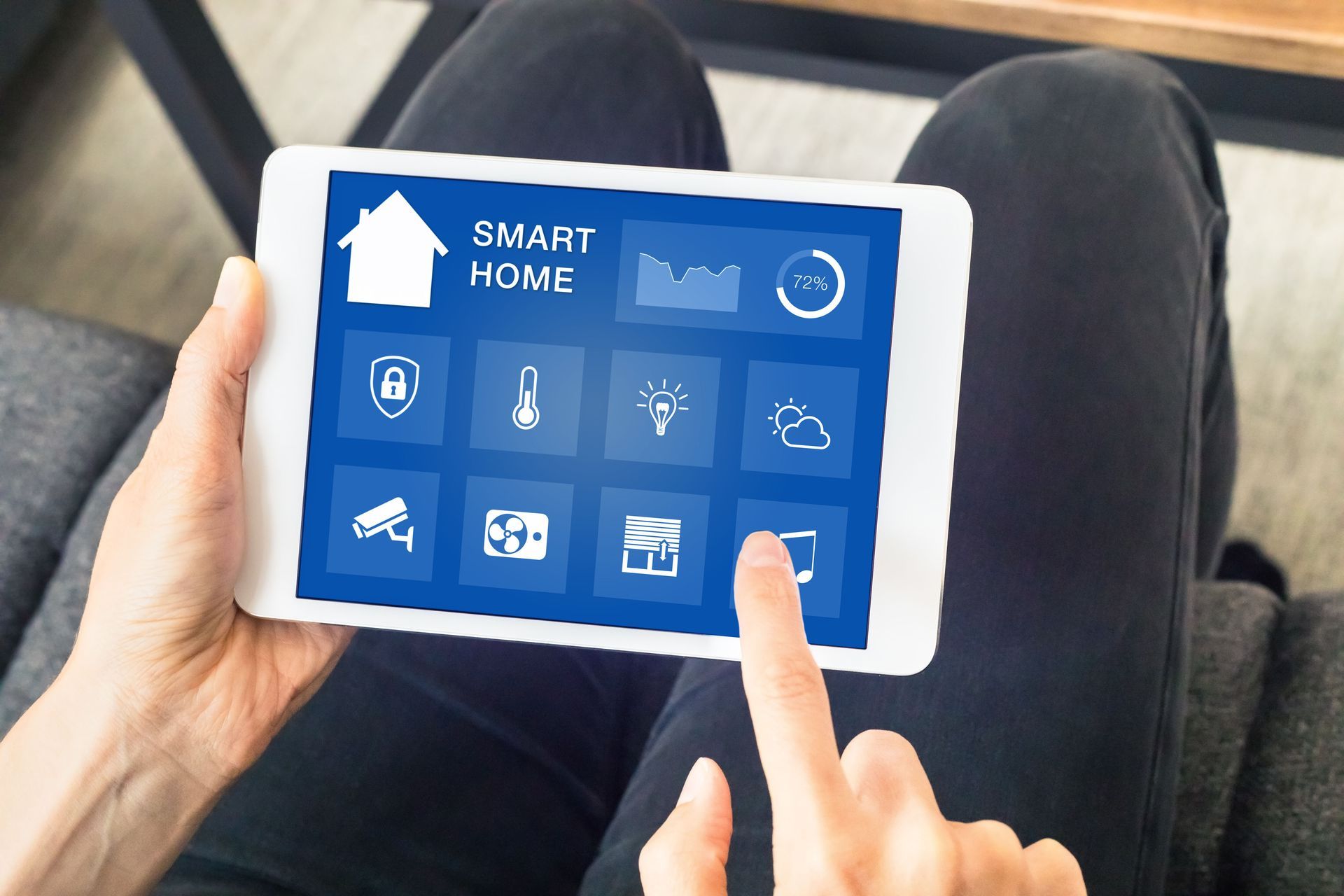
Mobile access systems are increasingly popular, enabling residents to unlock doors using smartphones or wearable devices. This technology allows residents to manage entry remotely, whether they are at work, running errands, or traveling. Integration with smart home apps can also enable residents to track who enters and exits common areas, providing an extra sense of control and reassurance. Property managers benefit as well, since they can manage access without needing to be physically present or manually update credentials for temporary users.
Seasonal or temporary changes, such as additional staff for events or holiday deliveries, are easy to accommodate with access control systems. Permissions can be adjusted quickly without issuing new keys, avoiding the logistical challenges and security risks of traditional methods. This flexibility enhances the overall efficiency of property management and ensures a seamless experience for residents and staff alike.
3. Accountability and Tracking
Another key advantage of access control is the ability to track entry and exit activity. Every credential used to access the building creates a digital log, providing property managers with actionable insights. This accountability helps prevent unauthorized access and can assist in investigations if incidents occur.
For example, if a package goes missing or a door is forced open, managers can review access logs to identify who entered and when. This level of monitoring not only improves security but also increases trust among residents, who know that their community is being actively managed. In addition, these logs help identify patterns, such as frequently accessed areas or unusual activity times, enabling property managers to adjust security protocols and staffing accordingly.
Access control also reduces human error. Unlike manual key management, digital systems allow for precise tracking and instant updates. Residents cannot duplicate credentials, and any suspicious activity can be flagged immediately. This level of accountability ensures that property managers can take quick and informed action, protecting the safety of residents and the integrity of the property.
4. Integration With Modern Security Technologies
Access control works best when integrated with other security solutions, such as video surveillance, alarm systems, and intercoms. Together, these technologies create a layered approach that is more effective than relying on one measure alone. For instance, video cameras can verify that only authorized personnel are entering restricted areas, while alarms notify staff of potential breaches in real time.
Integration also enables automation. Access logs, alerts, and security events can be sent directly to property managers' dashboards or mobile devices, allowing them to respond quickly. Automated reporting can also track trends, identify recurring issues, and highlight areas that may need additional security measures. By combining access control with advanced monitoring systems, apartment complexes can achieve both enhanced protection and operational efficiency, ensuring that resources are focused where they are needed most.
As technology advances, integration becomes even more crucial. Cloud-based systems allow managers to update permissions from anywhere, while smart analytics provide insights into traffic flow, occupancy, and potential vulnerabilities. Staying informed about new technologies helps property managers maintain cutting-edge security and offer residents the safety standards they expect in modern living environments.
5. Future-Proofing Your Property
The rise of access control is part of a broader trend toward smart building management. As technology advances, tenants increasingly expect properties to offer modern, secure solutions. Installing access control systems not only addresses current security needs but also future-proofs the building for evolving threats and resident expectations.
Modern access control systems can be updated or expanded as buildings grow, making them a scalable solution. Whether adding new units, updating common areas, or incorporating smart home features, access control integrates seamlessly into larger building management systems. For property managers, this represents a long-term investment in both security and tenant satisfaction, creating safer, more desirable communities.
Implementing access control systems ensures that residents enjoy peace of mind while property managers maintain control over who enters the building. From enhanced security and convenience to accountability and future readiness, these systems are transforming apartment security. By embracing this technology, apartment communities can meet modern safety standards and provide residents with the protection and confidence they expect. Access control is no longer a luxury but a necessity for anyone serious about building safety and resident satisfaction.
Protect your apartment community with modern access control solutions from Bandera Networks. Contact us today to learn how our expertise can enhance security, streamline entry management, and give your residents peace of mind.