April 7, 2026
The modern home landscape has changed rapidly with the rise of smart technologies, particularly in apartments. As urban living spaces become denser and more efficiency-focused, smart apartment installations help improve comfort, security, and overall functionality. These technologies enhance daily living while allowing residents to manage devices through automation and remote control.
Smart installations have evolved from novelty to necessity, offering benefits such as energy savings, improved security, and greater convenience. According to Consumer Affairs, 77% of smart home device owners say these technologies have greatly enhanced their quality of life, underscoring their increasing value in modern homes. As a result, exploring the technologies used in smart apartment installations helps reveal the future of urban living.
From advanced lighting solutions to integrated home networks, smart technologies support many modern household needs. Each component of a smart apartment is designed to improve living conditions while supporting responsible energy use. The following sections explore several technologies that are transforming apartments into intelligent living spaces.
1. Advanced Lighting Systems
Smart lighting systems have fundamentally transformed the way residents interact with their environments, offering a blend of aesthetic and functional benefits. A cornerstone of these systems is LED technology, which provides energy-efficient illumination with a longer lifespan compared to traditional bulbs. By adopting LED technology, apartments can substantially reduce their energy consumption and carbon footprint.
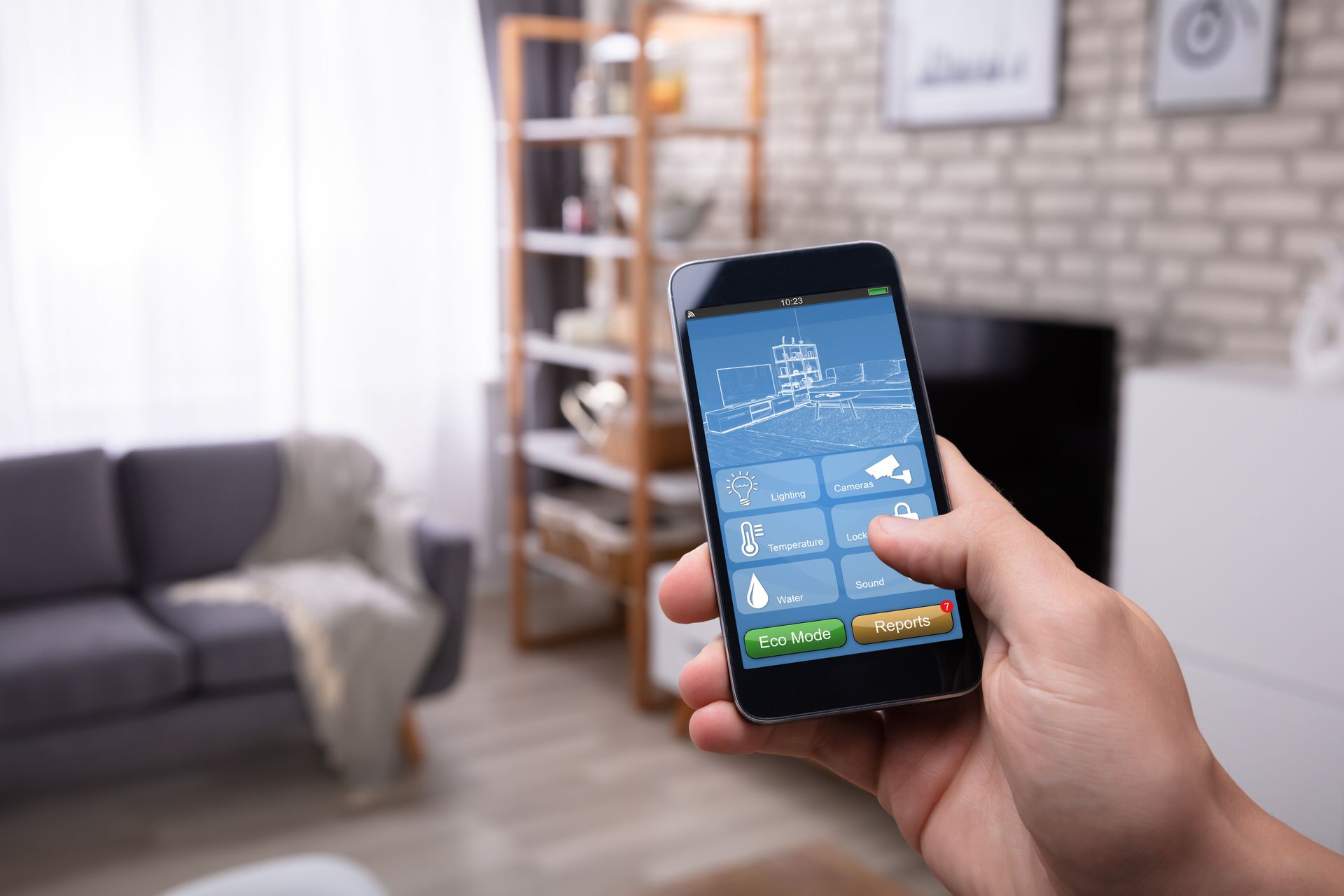
Wireless control is another critical component of smart lighting, allowing residents to manage lighting levels remotely via smartphones or dedicated controllers. This capability is complemented by the integration of smart assistants such as Alexa and Google Assistant, offering seamless, voice-activated lighting adjustments. In many modern smart apartment installations, these technologies work together to create a dynamic, responsive lighting environment that adapts to user preferences.
Energy management is woven into the fabric of smart lighting systems, using sensors and automation to optimize electricity usage. By adjusting lighting based on occupancy and ambient conditions, these systems minimize wasteful energy use. Additionally, smart lighting systems offer mood and ambiance settings, which customize the color and intensity to suit different occasions, enhancing the overall atmosphere of the apartment.
2. Intelligent HVAC Systems
The efficiency and adaptability of smart HVAC systems are integral to maintaining comfortable living conditions while minimizing energy expenditures. Programmable thermostats lie at the heart of these systems, allowing residents to set preferred temperature schedules. By aligning HVAC operation with daily routines, energy usage is optimized without sacrificing comfort.
Energy consumption tracking plays a crucial role in smart HVAC systems by offering insights into heating and cooling patterns. This information empowers residents to make informed decisions regarding energy use, ultimately reducing costs and environmental impact. Zoning systems further enhance this capability by allowing different areas of an apartment to be heated or cooled independently based on individual needs.
Beyond temperature control, smart HVAC systems incorporate smart vents and air quality sensors to elevate overall air quality and system efficiency. Smart vents intelligently redirect airflow to where it is needed most, while air quality sensors track pollutants and allergens. In modern smart apartment installations, these technologies work together to foster a healthier, more comfortable indoor environment, enhancing the quality of life for residents.
3. Integrated Security Systems
The security of a living space is paramount, and smart security systems offer an unparalleled level of protection and peace of mind. Video doorbells serve as the first line of defense, providing real-time alerts and video feeds of incoming visitors or potential threats. These devices enable residents to monitor and communicate with individuals at their door remotely, leveraging advanced video and audio technologies.
Smart locks complement video doorbells by offering secure, keyless entry options that can be managed from anywhere globally. These systems provide the flexibility to grant temporary access to guests or service providers, significantly enhancing user convenience and security. In many smart apartment installations, sophisticated surveillance cameras also provide continuous monitoring of both indoor and outdoor areas, capturing high-definition footage for review if incidents occur.
Motion sensors are a critical aspect of smart security, designed to detect unauthorized movements within designated areas. When integrated with other security technologies, such as alarms and cameras, motion sensors form a comprehensive protective barrier. Innovations like integrated security platforms bring these technologies together, offering a cohesive, centrally managed security package that enhances response times and overall safety.
4. Connected Household Appliances
Smart appliances have revolutionized everyday household tasks, offering efficiencies that extend beyond traditional capabilities. Smart kitchens, equipped with interconnected appliances, enable precise cooking control and energy management. These kitchens harness IoT technology to streamline meal preparation and improve the overall cooking experience for residents.
In the realm of laundry, smart washers and dryers provide advanced features like remote operation, cycle customization, and maintenance alerts. These devices enhance efficiency and reduce the time and effort associated with laundry chores. Smart refrigerators also play a crucial role in the smart appliance ecosystem, offering adaptive cooling, inventory tracking, and integration with other systems for a cohesive kitchen experience.
Automated cleaning devices, such as robotic vacuums and smart mops, represent another significant advancement in apartment living. These devices efficiently maintain cleanliness with minimal user intervention, freeing up time for other activities. Furthermore, smart appliances incorporate energy usage monitoring technologies, enabling residents to identify and mitigate inefficient power consumption, thus reducing their environmental impact.
5. Integrated Entertainment Systems
Modern smart entertainment systems elevate the at-home entertainment experience to new heights, providing immersive, integrated solutions. Integrated audio systems facilitate seamless music and audio streaming throughout the apartment, creating a cohesive auditory experience. These systems often support various music services and can be centrally controlled for uniform sound quality and playback.
Smart TVs form a core component of these systems, offering access to a multitude of streaming services and content platforms with enhanced picture and audio quality. Their ability to integrate with smart home ecosystems allows for voice-controlled operation and cross-device compatibility. Additionally, universal remote controls streamline the management of multiple entertainment devices, further enhancing user convenience.
Streaming services integration is another pillar of smart entertainment, providing on-demand access to a vast array of media content. By connecting these services directly to smart TV interfaces, users enjoy a streamlined viewing experience with simple navigation and selection. In many modern smart apartment installations, virtual reality and gaming systems also play a role in this evolution, presenting cutting-edge interactive entertainment that pushes the boundaries of traditional media consumption.
6. Home Networking Infrastructure
Connectivity forms the foundation of smart apartments, allowing devices to communicate and operate efficiently together. IoT connectivity enables systems to share data and function in harmony, supporting automation and remote monitoring. This interconnected structure improves both the efficiency and intelligence of apartment technology.
Wi-Fi mesh systems help maintain reliable internet access throughout an apartment by eliminating dead zones and strengthening signal coverage. Strong network security is also essential, requiring encryption and authentication protocols that protect sensitive data from potential breaches. Together, these technologies help create a stable and secure digital environment that supports the wide range of smart devices used in modern apartments.
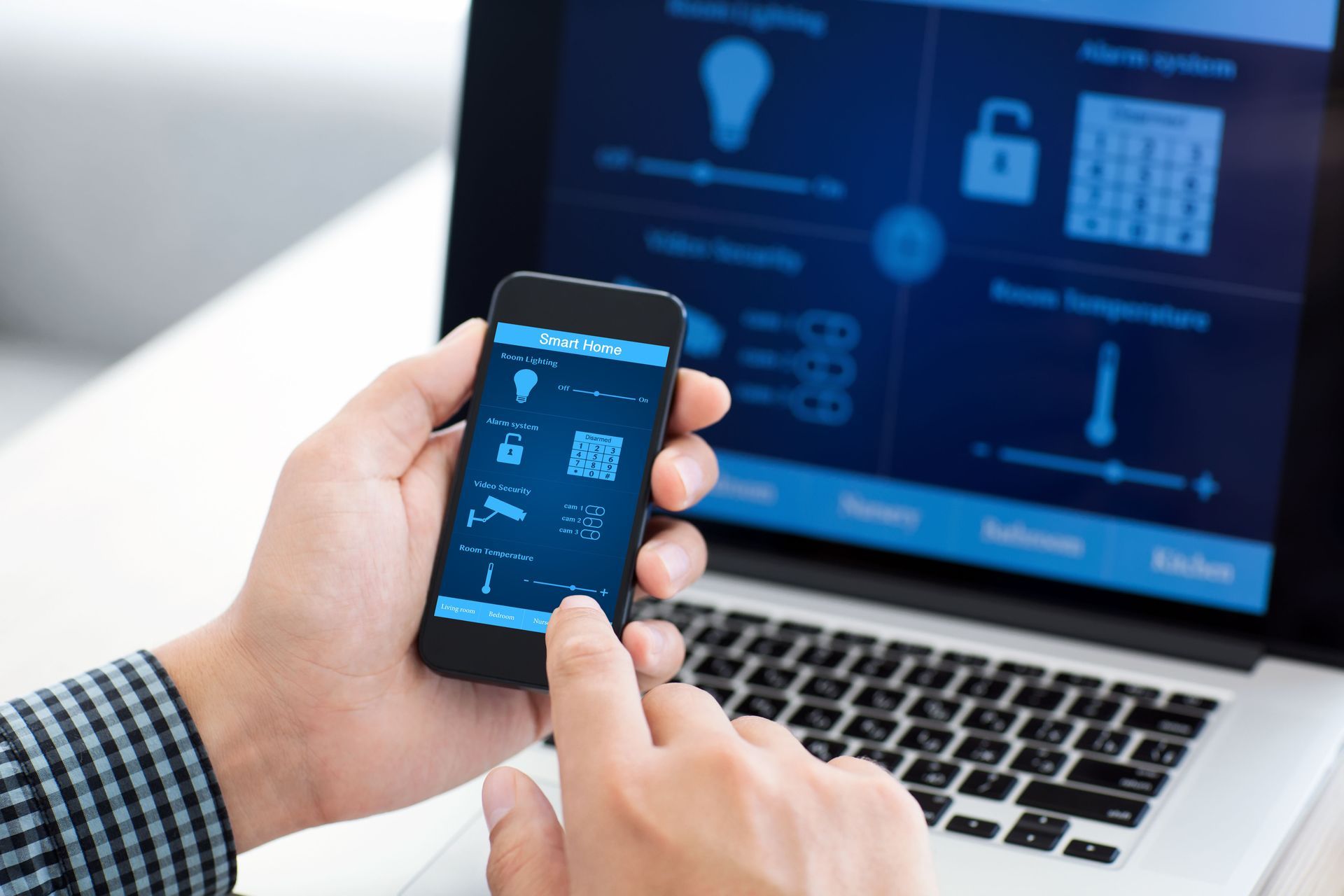
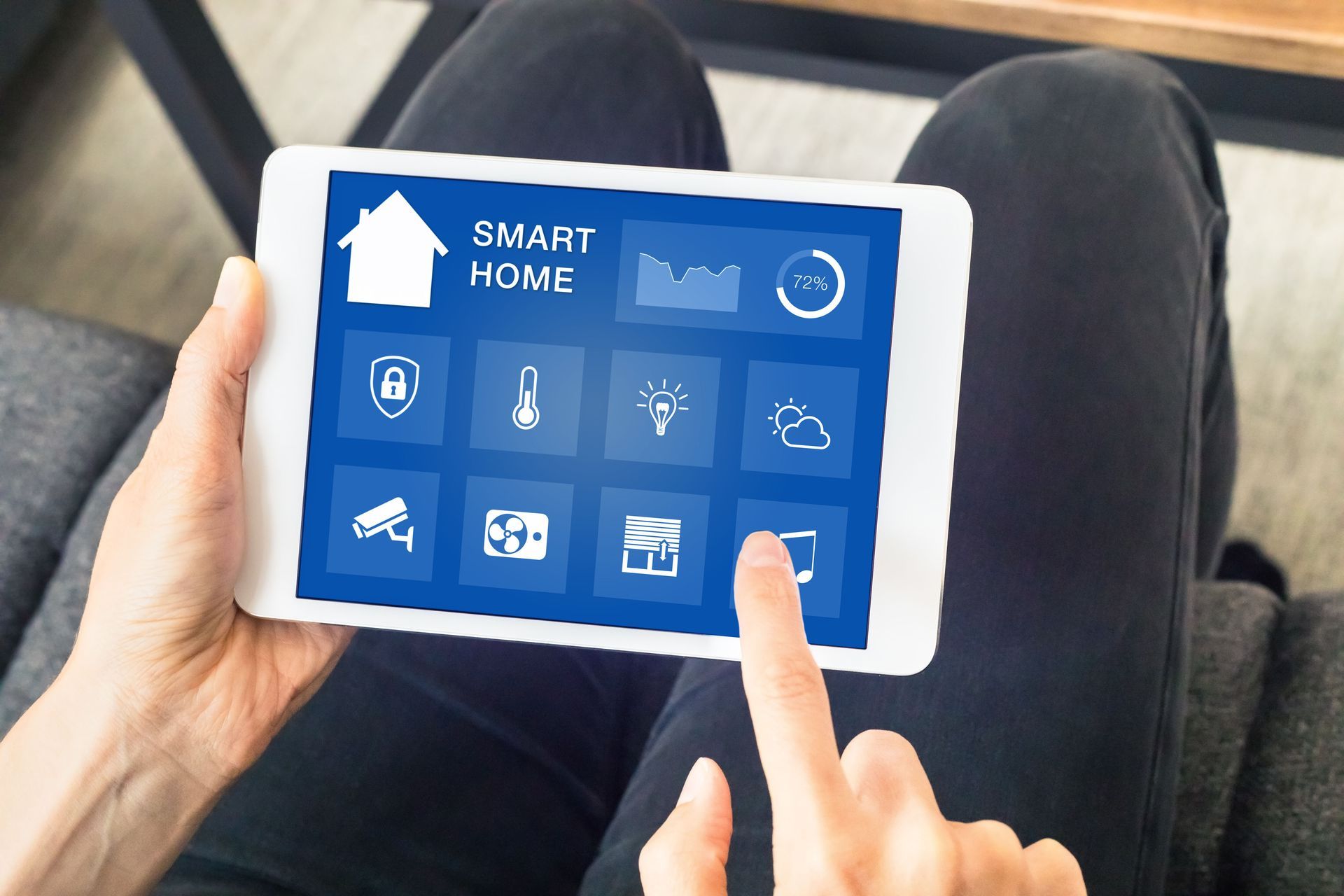
Smart hubs and controllers make managing multiple connected devices easier by centralizing operations into a single interface. These systems allow residents to control lighting, security, and other smart features from one platform while simplifying day-to-day interactions with technology. As connectivity expands, maintaining strong data privacy protections remains an important part of responsible smart home use.
Smart technologies have transformed apartment living by improving efficiency, comfort, and security. Integrated systems allow residents to manage devices more easily while benefiting from energy savings and improved convenience. In modern a smart apartment installation, the combination of lighting, HVAC, security, appliances, entertainment, and networking technologies creates a more connected and adaptable home environment that supports modern lifestyles and more sustainable living. To learn more about implementing advanced smart apartment installations, contact Bandera Networks today and discover how our solutions can help bring intelligent connectivity and efficiency to your property.