April 1, 2026
In the rapidly evolving world of home technology, smart apartments are becoming increasingly popular. From voice-activated lighting to connected thermostats, the conveniences of smart living are undeniable. However, installing smart devices in apartment settings comes with unique challenges. Unlike single-family homes, apartments often have shared infrastructure, limited access to wiring, and strict building regulations. Understanding common mistakes in smart apartment installation can save tenants, landlords, and property managers time, money, and frustration.
Planning Is Essential for a Successful Smart Apartment Installation
One of the most common mistakes in smart apartment installation is skipping the planning stage. Proper planning ensures that every device fits the apartment layout and meets the resident’s lifestyle needs. Start by mapping out each room and identifying where smart devices will be most beneficial. Consider factors such as natural light, furniture placement, and power outlet availability.
Planning also involves budgeting not only for the devices themselves but also for installation costs, potential modifications to the apartment, and future upgrades. Overlooking these considerations can lead to unnecessary expenses or a system that doesn’t function as intended. A detailed plan allows installers to anticipate challenges and streamline the smart apartment installation process.
Avoiding Wiring and Connectivity Issues
Connectivity is the backbone of any smart apartment installation. One frequent mistake is underestimating the importance of reliable Wi-Fi or network coverage. Apartments, especially larger complexes, may have thick walls or shared network infrastructure that disrupts signals. Before installation, test Wi-Fi strength in every room where a smart device will be placed.
Wiring is another common issue. Many apartments do not allow residents to modify wiring or drill into walls. Attempting to hardwire devices without proper authorization can violate lease agreements or local codes. To avoid this, focus on wireless or plug-and-play smart devices designed for apartment use. When running cables is necessary, ensure they follow building regulations and avoid areas with restricted access.
A smart apartment installation that overlooks these connectivity and wiring concerns often results in devices that intermittently fail or cannot communicate effectively, diminishing the convenience of a fully integrated system.
Addressing Compatibility Problems With Smart Devices
Compatibility problems are another frequent hurdle in smart apartment installation. Many tenants make the mistake of purchasing devices independently without considering whether they can operate together. Smart devices from different brands may use incompatible communication protocols or require separate apps to function.
To prevent compatibility issues, select devices that operate on widely adopted standards such as Wi-Fi, Zigbee, or Z-Wave. Using a central hub or controller can also help integrate multiple devices, providing a seamless user experience. Additionally, research the devices’ software update policies. Outdated or unsupported devices can create security vulnerabilities or fail to interact with newer technology.
By addressing compatibility at the outset, tenants and landlords can avoid frustration and ensure that all devices function harmoniously in the apartment environment.
Handling Security Concerns Effectively
Security is a critical consideration in any smart apartment installation. According to SafeHome.org, around 94 million U.S. households use some type of security system, including cameras, alarms, or access control tools. This statistic underscores the importance of integrating robust security measures when implementing smart technology.
Many installation mistakes occur because users overlook security settings or use default passwords. For a safe and reliable system, change all default credentials and enable two-factor authentication when available. Ensure that all devices receive regular software updates to patch vulnerabilities.
Network segmentation can also enhance security. By placing smart devices on a separate network from personal computers or sensitive data, residents reduce the risk of cyberattacks. Combining these precautions with physical security considerations, such as tamper-resistant cameras and secure locks, strengthens the overall safety of a smart apartment installation.
Integrating With Existing Apartment Systems
Another common oversight in smart apartment installation is failing to consider existing systems. Apartments may already have heating, cooling, lighting, or security systems that are proprietary or controlled by the building management. Installing new devices without accounting for these systems can cause interference or reduce functionality.
Before proceeding, check whether the building’s infrastructure allows for integration. Many modern smart devices offer compatibility with traditional systems, but older or custom-built apartment controls may require adapters or specialized hubs. Additionally, communicate with building management or landlords to ensure compliance with rules regarding modifications or shared resources.
Integrating smart devices seamlessly with existing systems ensures that tenants enjoy maximum convenience while avoiding conflicts or technical issues. For example, connecting smart thermostats with existing HVAC systems allows for energy savings without compromising comfort, whereas ignoring compatibility may result in redundant or malfunctioning equipment.
Common Device Placement Mistakes
The physical placement of smart devices can significantly impact their performance. Poor placement is a frequent mistake that leads to spotty connectivity, inaccurate readings, or limited usability. For example, motion sensors placed behind furniture or cameras aimed at obstructed views may fail to perform as expected.
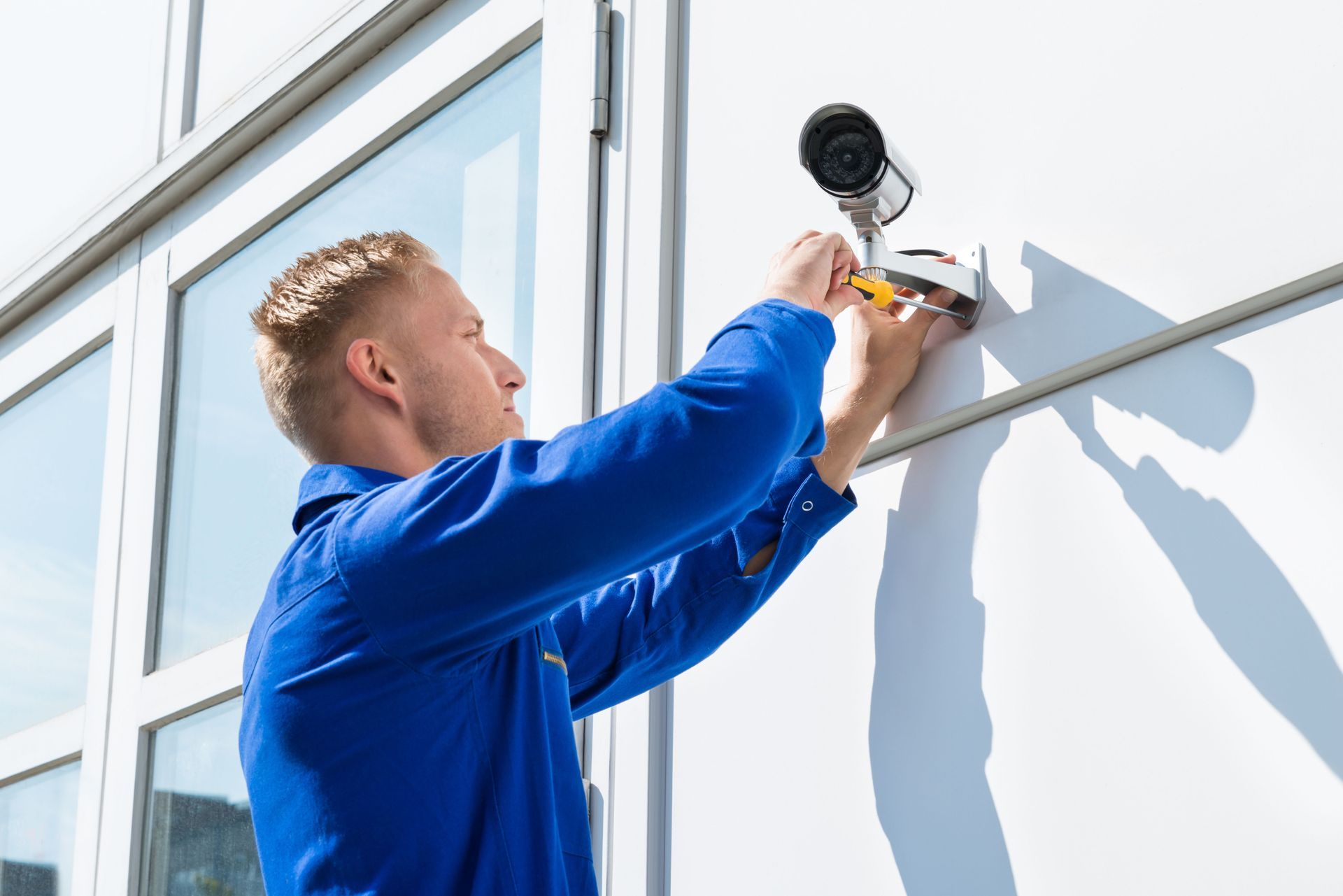
Consider the environment when choosing locations. Place smart speakers and voice assistants in central areas for optimal voice recognition. Cameras should cover key entry points, and smart plugs should remain easily accessible. Testing device placement during installation helps identify potential blind spots or weak signal areas, ensuring that each device functions at its best.
Overlooking Maintenance and Future Expansion
Many tenants focus solely on the initial smart apartment installation and overlook ongoing maintenance or future expansion. Smart devices require updates, occasional resets, and proper care to maintain performance. Neglecting maintenance can lead to device failures or reduced lifespan.
Planning for future expansion is equally important. As technology evolves, tenants may want to add new devices or upgrade existing ones. Ensuring that the initial installation can accommodate future additions prevents costly modifications later. A flexible installation strategy includes leaving room in the network for extra devices and choosing scalable systems that can grow with the resident’s needs.
Educating Tenants and Users
Even the most sophisticated smart apartment installation can fail if users do not understand how to operate it properly. Misconfigurations, overlooked features, or accidental resets often occur because residents are unfamiliar with their devices.
Providing clear instructions and tutorials, or offering on-site guidance during installation, can mitigate these problems. Encouraging tenants to familiarize themselves with control apps, voice commands, and security settings ensures that users are confident in operating their system. Educated users are more likely to enjoy the full benefits of their smart apartment while avoiding common pitfalls.
Avoiding the Most Frequent Installation Mistakes
Many common errors during
smart apartment installation can be traced to a few critical oversights. Ignoring building restrictions and regulations often leads to compliance issues or conflicts with landlords. Skipping compatibility checks between devices and platforms can create frustration and limit the effectiveness of the system. Weak network strength or unreliable connectivity may cause devices to fail intermittently, while neglecting security measures leaves the system vulnerable to cyber threats. Finally, failing to plan for maintenance, future expansion, and user education can reduce long-term satisfaction and functionality. Avoiding these mistakes ensures a smooth installation and a reliable, user-friendly smart apartment.
Smart apartment installation offers exciting opportunities for convenience, efficiency, and enhanced security. However, without careful planning, attention to compatibility, proper device placement, and a focus on security, installations can fall short of expectations. By understanding and avoiding common mistakes—from wiring issues to integration challenges—residents can create a connected living space that delivers real value. With thoughtful execution and ongoing maintenance, a smart apartment becomes not only a modern convenience but also a secure and adaptable home environment. If you're looking to add comfort and security to your home or apartment, reach out to the team at Bandera Networks today!