December 3, 2025
In the rapidly evolving real estate sector, property managers need to stay abreast of the latest smart apartment technologies to maintain competitive and attractive properties. This article explores key trends that are reshaping how apartments are managed and experienced, influencing tenant satisfaction and operational efficiency alike. As technology advances, the scope of smart living expands, encompassing areas from security improvements to enhanced service personalization. There's a growing demand for environments that blend comfort with cutting-edge technology, a factor becoming increasingly central to tenants' expectations. Keeping up with these developments is crucial for property managers of smart apartments aiming to meet tenants' evolving needs and expectations while ensuring operational efficiency.
Smart Home Devices
The integration of smart home devices into smart apartments is revolutionizing the apartment living experience by introducing convenience and control into everyday life. From smart thermostats that learn and adapt to a tenant's schedule to lighting systems that can be dimmed through voice command or smartphone apps, these innovations are enhancing the quality of living. Smart locks represent another popular device, offering secure and keyless entry solutions that provide tenants with peace of mind. As these technologies become more accessible, they not only elevate the resident's experience but also add significant value to property assets. Property managers who leverage these tools effectively can enhance tenant satisfaction and retention.
In addition to convenience, smart home devices contribute significantly to property management efficiency. Automated systems such as smart thermostats and lighting not only offer tenants personalization but also assist in reducing energy costs. By ensuring that devices are only active when needed, these systems enable significant energy savings and promote sustainable living practices. As the demand for greener and more sustainable living options continues to rise, property managers are tasked with implementing solutions that align with these expectations. The integration of smart home devices is a pivotal step towards creating such an environment.
Furthermore, the adaptation of smart devices plays a crucial role in modernizing apartment infrastructures. As more devices become interconnected via IoT, property managers gain the ability to monitor and control various aspects of building management remotely. This interconnectedness simplifies management responsibilities and streamlines maintenance operations, resulting in smoother property management processes. As the benefits of smart home devices become increasingly evident, their implementation is no longer just an option but a strategic necessity for property managers looking to optimize operations.
Centralized Control Systems
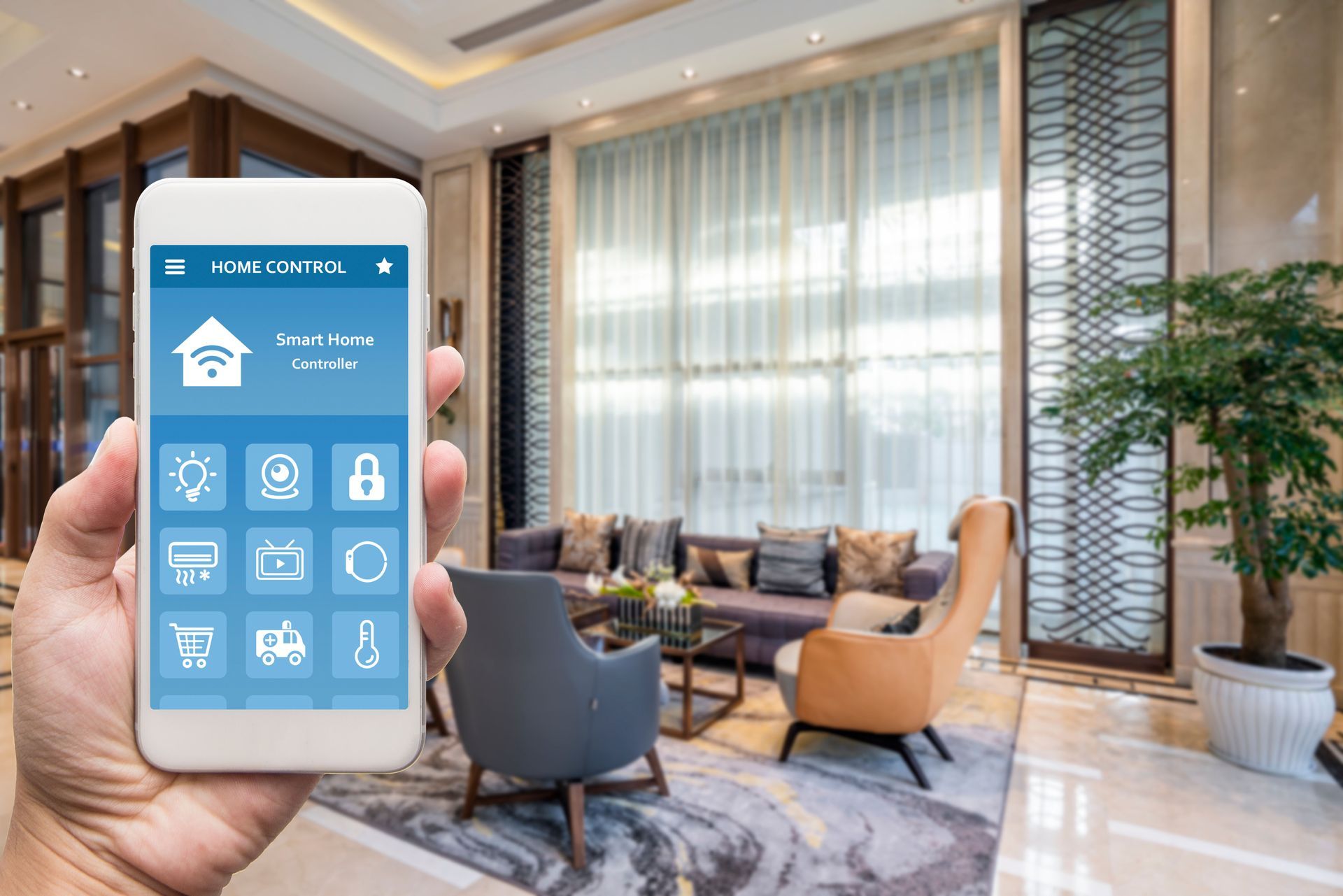
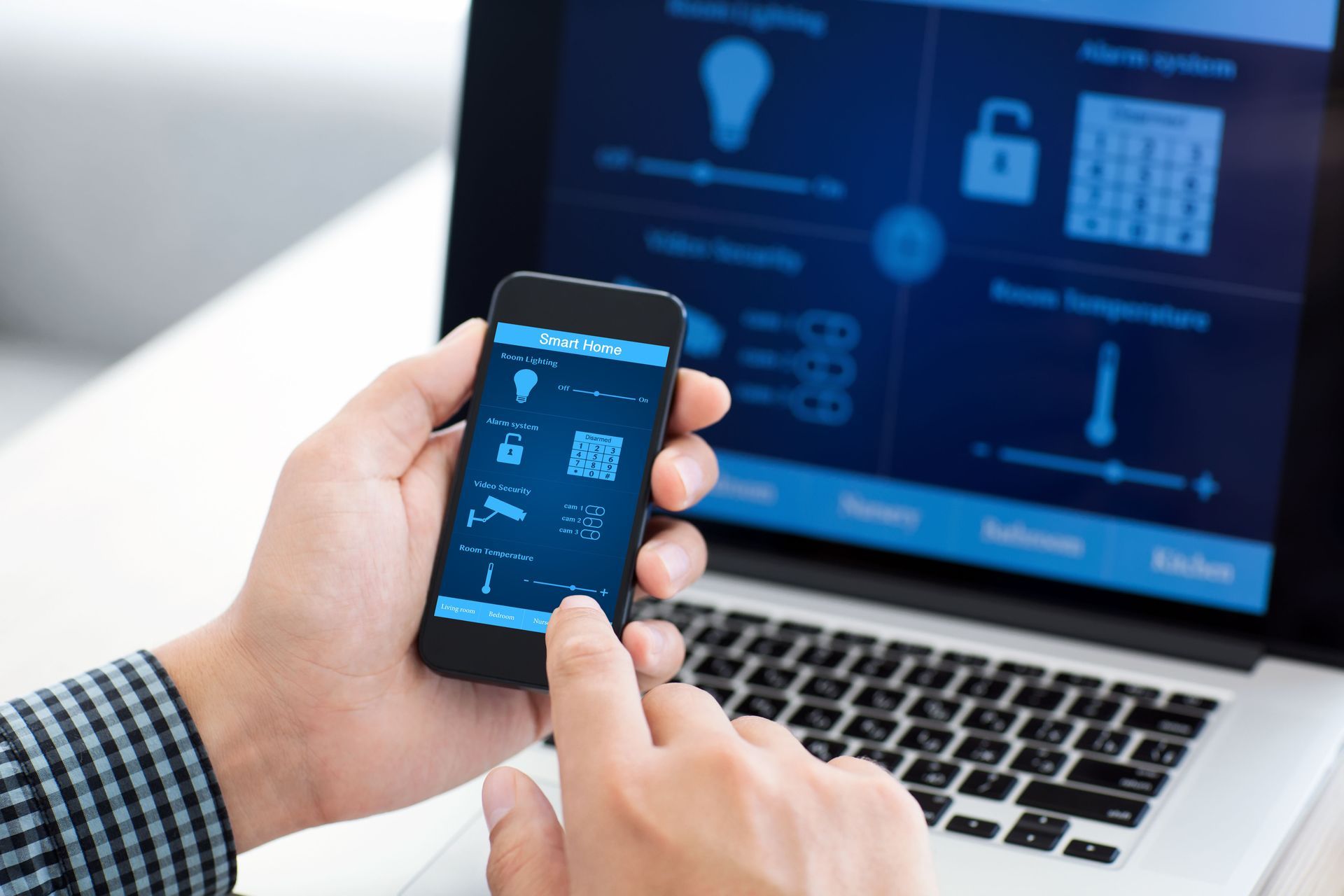
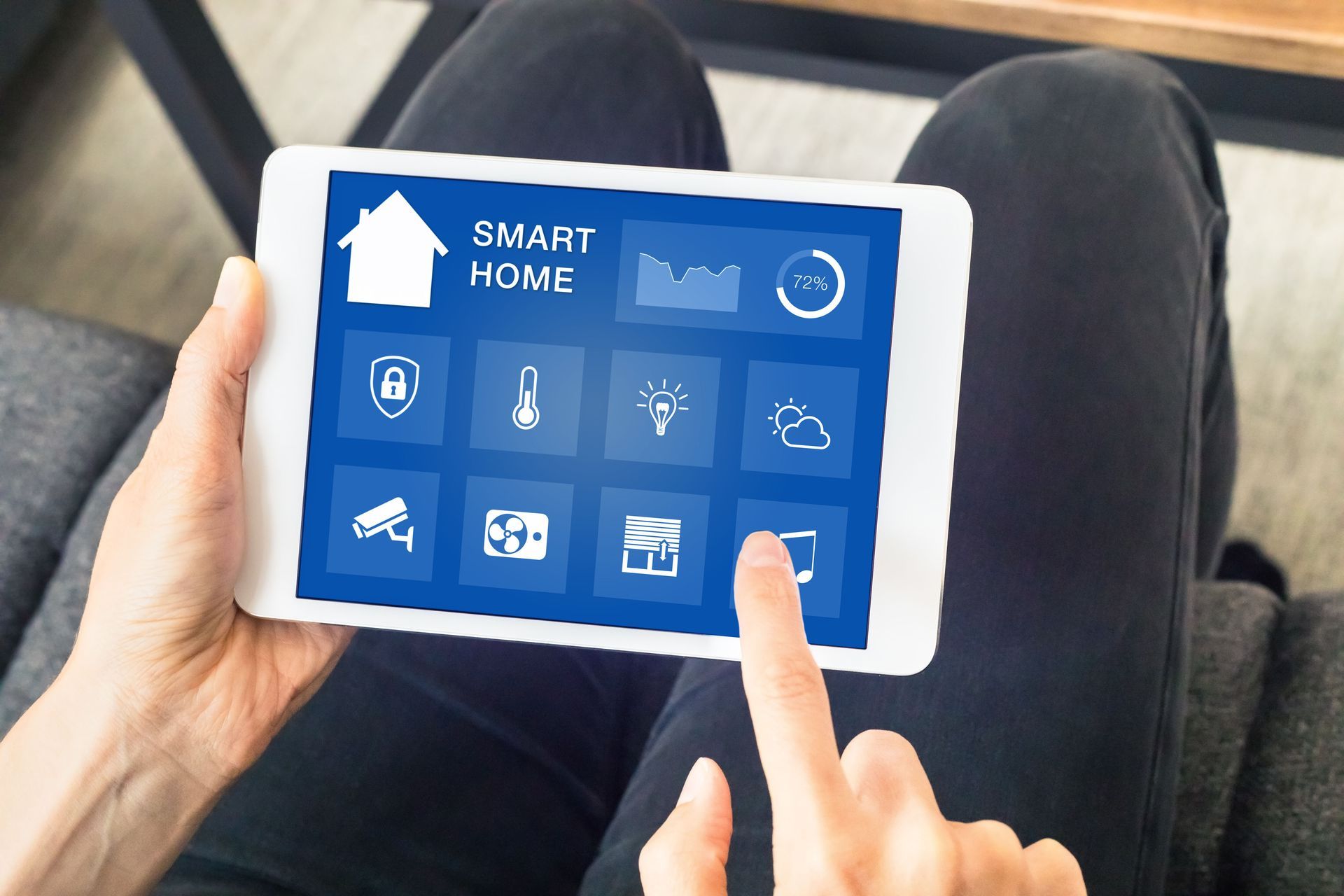
Centralized control systems in smart apartments have become a cornerstone of smart apartments, offering a cohesive platform for managing multiple devices. They enable tenants to control everything from lighting to entertainment systems through a single application or hub, thereby simplifying the technology experience. For property managers, these systems provide a unified interface to oversee the entire apartment complex's technological infrastructure. As deployment of these systems gains traction, it represents a shift towards more intuitive and user-friendly living spaces. The convenience they offer is a key selling point for potential tenants seeking streamlined and tech-forward living solutions.
In addition to user convenience, centralized control systems present significant advantages for property management operations. By consolidating various smart devices under one platform, maintenance becomes more manageable, reducing the operational complexities traditionally associated with managing extensive apartment complexes. This integration also allows for proactive identification and resolution of potential issues, further enhancing operational efficiency. The utility of centralized systems extends to tenant support, as issues are quickly resolved, often before the tenant becomes aware of them. This level of service not only ensures smooth operation but also bolsters tenant satisfaction and loyalty.
Beyond management efficiency, centralized control systems contribute to building security and energy optimization. Integrated platforms provide a comprehensive overview of all connected devices, allowing for quick adjustments to prevent energy waste. These systems can even preemptively identify anomalies that may indicate unauthorized access or attempts to breach building security. In an era where, according to SafeHome, 48% of all violent crimes occur at a residence, ensuring robust security through such technologies is paramount. Enhancing property value while safeguarding tenant well-being, centralized control systems are integral to creating secure, efficient, and sustainable apartment environments.
Predictive Maintenance Tools
Predictive maintenance tools represent a transformative approach towards apartment management by leveraging IoT to anticipate and address maintenance needs before they escalate into significant problems. These tools monitor the health and performance of building systems and alert property managers to potential issues. This proactive approach minimizes downtime and reduces the likelihood of costly repairs, ensuring a seamless living experience for tenants. For property managers, predictive maintenance shifts the focus from reactive repairs to strategic, planned maintenance activities. By catching issues early, building integrity and tenant satisfaction are maintained while operational costs are controlled.
The implementation of predictive maintenance tools is also pivotal in extending the lifecycle of building systems. By continuously monitoring performance metrics, these tools facilitate timely interventions, reducing wear and tear on equipment and prolonging their usable life. Such strategies not only enhance the efficiency of building operations but also preserve their value over time. Moreover, predictive maintenance supports sustainability efforts by ensuring systems operate at optimal efficiency, lowering unnecessary energy consumption, and reducing the property's carbon footprint. The consistent performance and reliability of building systems gained through predictive maintenance are substantial drivers of tenant satisfaction.
As more property managers adopt predictive maintenance tools, the potential for drastic changes in the maintenance paradigm becomes increasingly apparent. By providing real-time data and insights into equipment performance, these tools empower managers to make informed decisions that align with tenant expectations and maintenance budgets. The traditional approach of reactive repairs is gradually being replaced by a predictive model that fosters proactive interventions. Property managers are beginning to appreciate the value of these tools not only in reducing maintenance costs but also in creating a living environment characterized by reliability and foresight. This transition towards predictive maintenance is a significant step toward more efficient and sustainable apartment management.
Energy Management Systems
Energy management systems (EMS) in smart apartments are integral to the development of sustainable apartment complexes. By monitoring and optimizing energy consumption, EMS provides property managers with critical insights into reducing the environmental footprint of their properties. These systems enable real-time tracking of energy use and facilitate adjustments that improve efficiency and reduce costs. With growing pressures to meet environmental benchmarks, EMS is invaluable in helping property managers achieve these goals while responding to tenant demands for greener living solutions. The integration of EMS is a commitment to sustainability, positively impacting both the environment and operational budgets.
In an era where environmental concerns are paramount, the adoption of energy management systems aligns property management goals with broader societal priorities. Through careful monitoring of energy use, managers are able to implement strategies that reduce waste and promote efficiency. This active management supports efforts to comply with regulatory requirements concerning environmental impact and energy use. Furthermore, as consumers increasingly prioritize sustainability in their living choices, EMS becomes a vital component in marketing a property as environmentally conscious. Tenants appreciate the cost savings achieved through efficient energy use, contributing to overall satisfaction and retention.
Smart apartments represent the future of efficient, secure, and tech-forward living. By embracing interconnected devices, predictive tools, and energy-saving systems, property managers can elevate tenant satisfaction and streamline daily operations. Adopting these innovations positions properties for long-term success while meeting the rising expectations of modern residents. Contact Bandera Networks today to get started with our services.